On-Location vs. Studio Commercial Shoots: Which Does Your Brand Need?
Quick answer: Choose on-location when your environment is part of the story — your office, your storefront, your job site. Choose studio when you need a clean, controlled background free of any environment, or when your actual location isn't photogenic enough to support the shot. Most brands need a mix, not an exclusive choice.
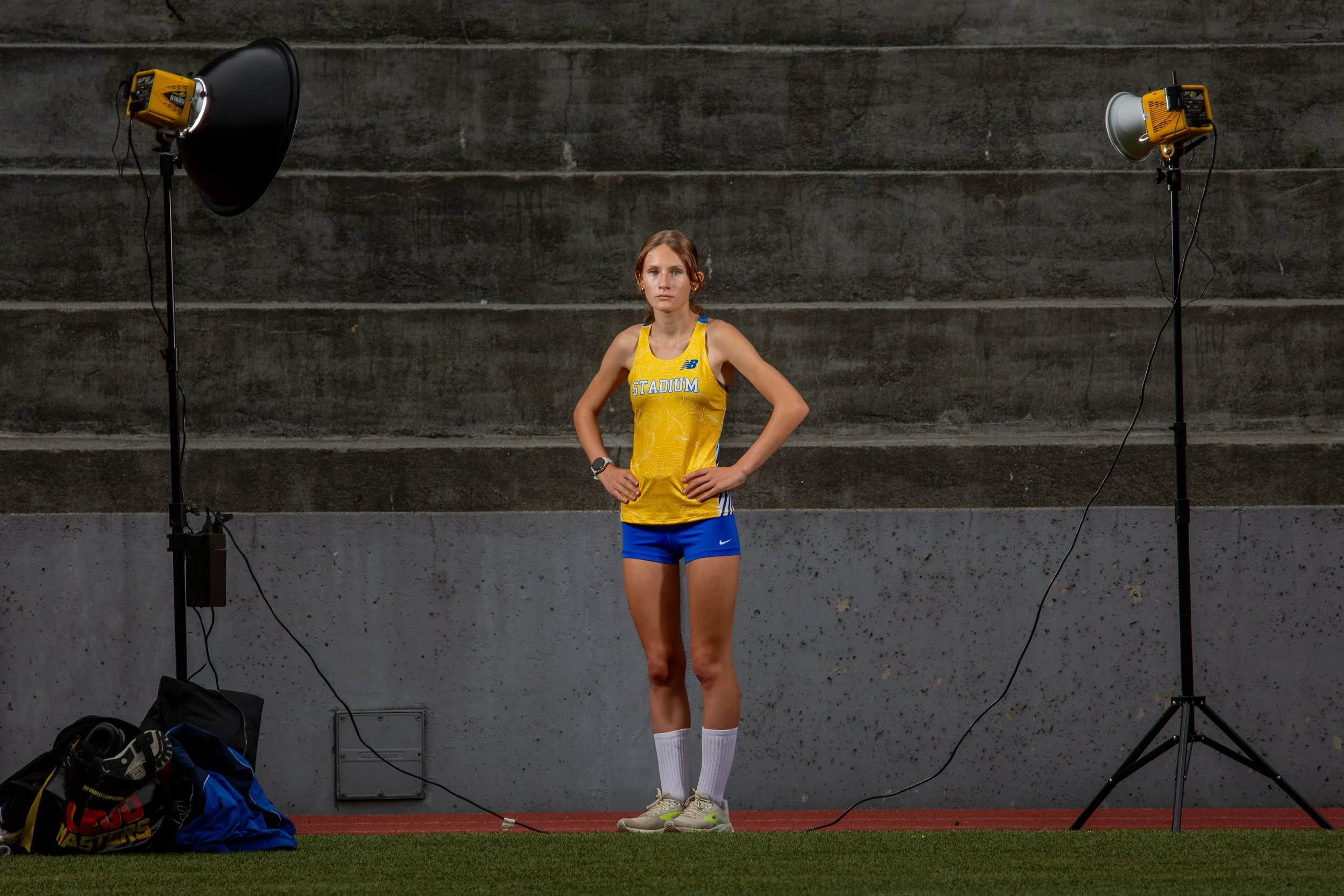
Bringing studio-quality lighting on-location allows for professional control, even in dynamic outdoor environments.
What on-location actually gives you
Context that sells the brand — a law office shot in the actual office, a contractor shot on an actual job site, a retailer shot in the actual storefront
No commute for your team — especially valuable for headshot/team sessions with more than a couple people
Authenticity that's hard to fake in a studio — clients can usually tell the difference between a real workspace and a staged one
More variables to manage — lighting has to be brought in and adapted to the space, and not every location photographs well no matter how it's lit

Authentic, on-location imagery builds immediate trust by showcasing your actual team and workspace in action.
What studio gives you
Full control over background, lighting, and consistency — useful when you need every subject to match exactly (large team headshot sets, product photography)
No environmental compromises — bad office lighting, cluttered backgrounds, and inconvenient layouts simply aren't a factor
Faster setup per subject once the lighting rig is built, which matters when you're moving a lot of people through in one session
The honest answer: most brands need both
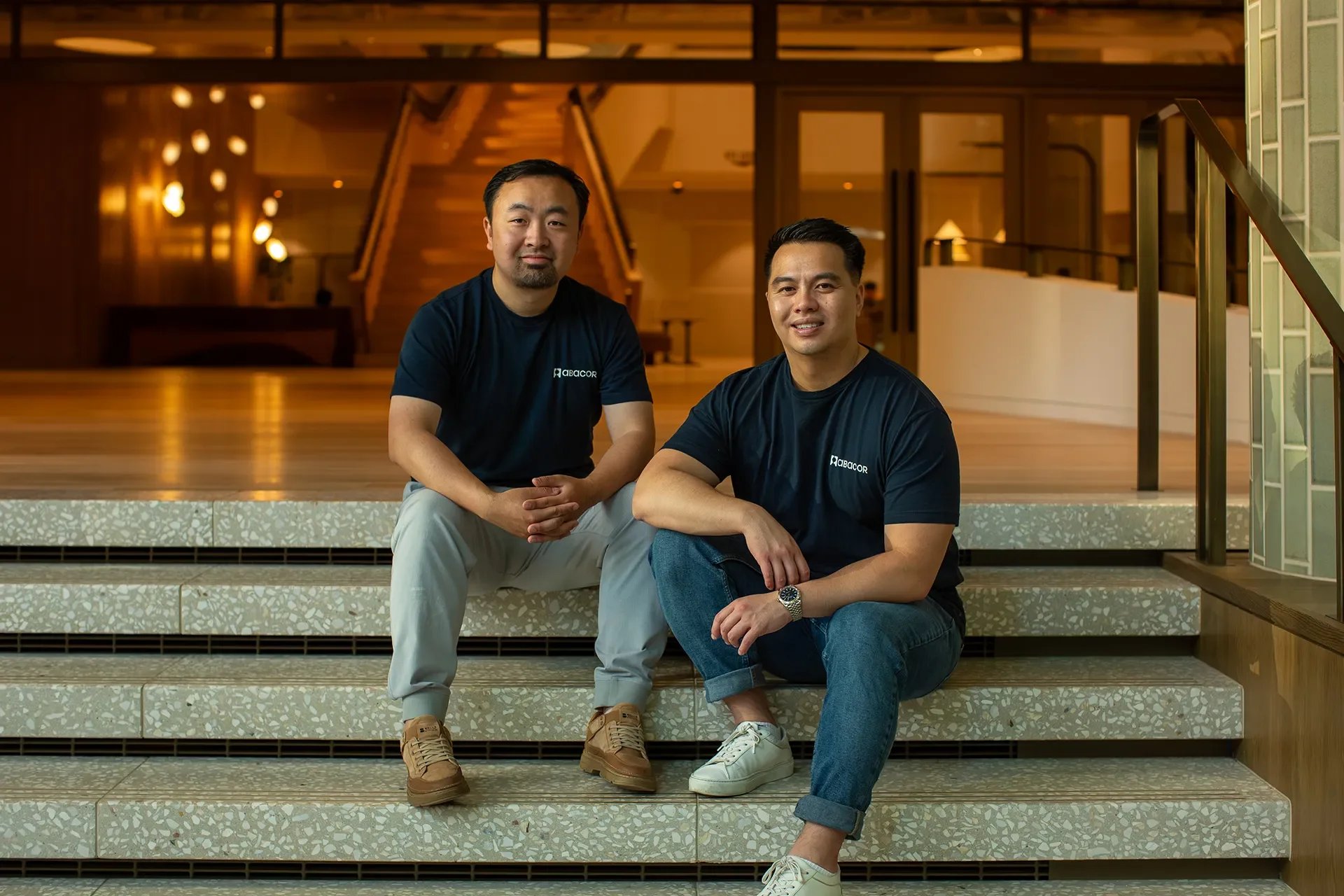
On-location shoots provide the environmental context necessary to tell a complete and compelling brand story.
A founder's personal branding shoot might open with environmental shots at their actual desk, then move to a clean studio-style headshot for the bio page. A product company might shoot the product on a clean studio background for the website, then shoot the team on-location in the warehouse for the "About" page. Treating this as either/or usually means leaving one half of the brand story untold.
How to decide for your specific shoot
Ask one question: does the location add credibility, or does it just add risk? If your space is clean, on-brand, and tells a story (a well-designed office, an active job site, a polished storefront), shoot there. If your space is cramped, poorly lit, or simply doesn't represent the brand you're trying to build, a studio setup — or a different on-location site entirely — is the better call.
FAQ
Is studio photography more expensive than on-location?
While studio rentals do add direct overhead costs, the real question is about marketing value. I focus exclusively on on-location photography because it is the most effective way to capture your brand’s true, on-the-ground aesthetic. For businesses that want to show their actual environment, culture, and team in action, shooting on-location is logistically more efficient. It delivers a stronger, more genuine marketing asset that a sterile studio simply cannot replicate.
Can you bring studio-quality lighting to our office?A
Absolutely. I bring a full suite of professional, high-output lighting equipment to every commercial shoot. Whether we are in a corporate office, an industrial warehouse, or an outdoor job site, I can shape and control the light to match high-end studio standards. You get the polish and precision of a studio session, combined with the authentic backdrop of your actual workspace.
What if our office doesn't look great but we still want on-location shots?
You don't need an immaculate, magazine-ready office to get stunning results. Through strategic lighting, tight compositions, and shallow depth of field, we can isolate the best parts of your space and soften or blur out the distractions. By focusing on an "atmospheric reality"—using shadow, directional light, and specific angles—we can make even an average workspace look dynamic, professional, and visually compelling.